

Are There Specific Standards for Food-Grade Materials in Insulated Drinkware?
When it comes to insulated drinkware, consumers prioritize not just performance but also safety. The demand for non-toxic, food-grade materials has skyrocketed as customers become more conscious of the materials that come into contact with their beverages. But are there specific standards manufacturers must follow to ensure their drinkware is food-safe?
Understanding Food-Grade Standards
Food-grade materials are those deemed safe for direct contact with food and beverages. These materials should not leach harmful chemicals or alter the taste, odor, or integrity of the drink. Globally, there are regulatory authorities and standards that manufacturers are required to adhere to, particularly when designing insulated drinkware:
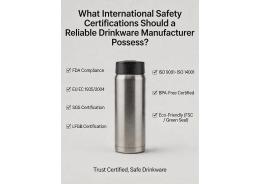
- FDA Compliance (USA): In the United States, the Food and Drug Administration (FDA) sets strict guidelines for materials used in products that come into contact with food. Common food-safe materials include stainless steel, glass, silicone, and specific plastics like Tritan™.
- LFGB Certification (Europe): In Europe, the LFGB (Lebensmittel-, Bedarfsgegenstände- und Futtermittelgesetzbuch) standard ensures that materials used in food-contact products meet stringent health and safety requirements.
- ISO Standards: International benchmarking organizations like ISO provide a series of guidelines for food safety management, including ISO 22000 and ISO 18831, which are often referenced by global manufacturers.
- California Proposition 65: In the state of California, any product containing hazardous chemicals must come with a warning label. This legislation pushes manufacturers to ensure their products are free of lead, cadmium, BPA, and other harmful substances.
Why Materials Matter in Insulated Drinkware
Insulated drinkware, such as the high-performing bottles and tumblers offered by LUCKFLASK, are designed to maintain the temperature of beverages for extended periods. This prolonged contact between the beverage and internal surfaces makes the choice of material critical. Stainless steel is a popular option due to its corrosion resistance, durability, and non-reactive nature. Food-grade 18/8 stainless steel, for instance, is a top choice for many premium insulated drinkware products.
Plastic-Free and BPA-Free Trends
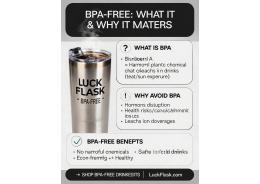
In recent years, consumers have shifted toward sustainable drinkware options. Manufacturers like LUCKFLASK have responded by offering BPA-free and often plastic-free alternatives to ensure the highest levels of safety and eco-friendliness. Many brands now use Tritan™, a high-performance material that is lightweight, shatter-resistant, and devoid of harmful chemicals such as BPA.
What to Look for When Buying Insulated Drinkware
For consumers concerned about health and safety, here are a few tips when shopping for insulated drinkware:
- Ensure the product specifies that it uses food-grade or BPA-free materials.
- Look for certifications such as FDA approval, LFGB compliance, or ISO adherence.
- Check the product description for high-quality materials like 18/8 stainless steel or Tritan™.
- Investigate the manufacturer’s commitment to sustainability and eco-friendly practices.
Conclusion
When choosing insulated drinkware, understanding food-grade material standards can help ensure you’re selecting a product that is safe, durable, and aligned with your values. Companies like LUCKFLASK are leading the charge by adhering to these rigorous standards while offering stylish yet functional drinkware solutions. By prioritizing safety and quality, you can enjoy your favorite beverages with peace of mind.

 English
 German
 French
 Russian
 Spanish
 Japanese
 Korean
 Portuguese
 Ukrainian
 Arabic
 Italian


