

How to Verify the Authenticity of Stainless Steel Grades (304/316) in Products
Stainless steel is widely used in various industries because of its durability, resistance to corrosion, and aesthetic appeal. Among the most frequently used grades are 304 and 316, each offering unique properties that make them ideal for specific applications. However, verifying the authenticity of stainless steel grades is crucial to ensure product quality and longevity, particularly when purchasing from manufacturers or suppliers.
Why Verification is Important
Counterfeit or low-grade stainless steel products can lead to poor performance, corrosion, and even structural failure. Verifying the stainless steel grade ensures that you're receiving genuine materials that match the specifications promised by the manufacturer.
Methods to Verify Stainless Steel Grades
1. Magnetic Test
One of the simplest ways to verify stainless steel is through a magnetic test. Grade 304 is generally non-magnetic, but slight magnetism may be present in cold-worked areas. Grade 316 exhibits even less magnetism. Be cautious, as this test alone isn’t foolproof but can serve as an initial indicator.
2. Chemical Composition Analysis
Professional testing methods, such as X-ray fluorescence (XRF) analyzers, can determine the chemical composition of stainless steel. This method can accurately verify whether the product contains the appropriate levels of chromium (Cr), nickel (Ni), molybdenum (Mo), and other elements specific to grades 304 and 316.
3. Molybdenum Spot Test
A molybdenum spot test is an easy way to differentiate between grades 304 and 316. Grade 316 contains molybdenum, which provides enhanced corrosion resistance. A specific chemical reagent can be applied to the stainless steel to confirm its molybdenum content.
4. Certification and Documentation
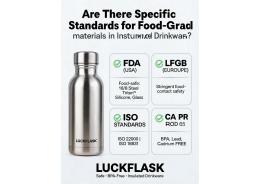
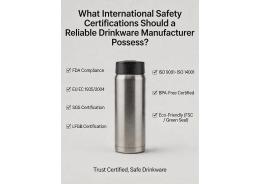
Reputable manufacturers like Luck Flask provide material certifications and documentation for their stainless steel products, ensuring that the materials meet the promised specifications. Always request valid certificates from your supplier to ensure quality.
5. Consult a Metallurgical Lab
If you're uncertain about the authenticity of the stainless steel, consult a professional metallurgical lab. They have the expertise and tools required to perform advanced tests like spectrochemical analysis and tensile strength measurements.
Why Choose a Trusted Supplier?
By sourcing your stainless steel products from reputable suppliers such as Luck Flask, you can reduce the risks of purchasing substandard materials. Luck Flask’s rigorous quality control ensures that every product matches the advertised specifications, giving you peace of mind regarding durability and performance.
Final Thoughts
Ensuring the authenticity of stainless steel grades like 304 and 316 is essential to avoid problems such as corrosion, poor performance, and financial losses. Combining simple tests, professional verification, and sourcing from trusted suppliers like Luck Flask will help you invest in products that deliver long-term value.

 English
 German
 French
 Russian
 Spanish
 Japanese
 Korean
 Portuguese
 Ukrainian
 Arabic
 Italian


