

Ensuring Your Tumblers are FDA and LFGB Compliant
When designing or sourcing tumblers, one of the most critical aspects to consider is the compliance of the materials used. Adhering to FDA (Food and Drug Administration) and LFGB (Lebensmittel- und Futtermittelgesetzbuch) standards ensures the safety and quality of your products, as well as boosts customer trust and satisfaction. Here’s how you can ensure the materials in your tumblers meet these strict regulatory requirements.
Understanding FDA and LFGB Compliance
The FDA sets standards for food-grade materials used in consumer products sold in the United States. These regulations determine whether materials are safe for food contact and prevent risks such as contamination or harmful chemical exposure.
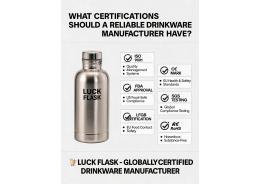
LFGB, on the other hand, is the German Food and Feed Code, which is considered one of the most stringent food safety regulations worldwide. Products subjected to LFGB compliance undergo rigorous testing, including sensory evaluation, ensuring there’s no odor or taste transfer to food or beverages.
How to Ensure Compliance
-
Source High-Quality Raw Materials
The first step is to work with trusted suppliers who provide certifications proving their materials meet FDA and LFGB standards. Stainless steel, Tritan plastic, and glass are popular choices for tumblers, and they must meet food-grade specifications.
-
Partner with Reliable Manufacturers
When choosing a manufacturer, ensure they understand and adhere to FDA and LFGB requirements. Regular audits, transparency, and compliance certifications are crucial.
-
Perform Thorough Testing
Conducting internal and external testing is vital. Testing processes such as migration tests and sensory evaluations help confirm that the materials meet FDA and LFGB regulations.
-
Label Products Properly
Ensure your tumblers include clear labels indicating compliance with FDA and LFGB standards. This benefits both retailers and end-users.
Why Compliance is Essential
Compliance not only protects end-users from health risks but also positions your brand as a reliable provider of safe, high-quality products. Additionally, FDA and LFGB certifications open up access to international markets, ensuring your tumblers meet global safety standards.
For more information on sourcing FDA- and LFGB-compliant tumblers, visit LuckFlask.

 English
 German
 French
 Russian
 Spanish
 Japanese
 Korean
 Portuguese
 Ukrainian
 Arabic
 Italian


