

Emerging Trends in Eco - Friendly & Sustainable Drinkware Materials
As environmental awareness surges globally, the drinkware industry is undergoing a green revolution. Consumers and brands alike are prioritizing sustainability, driving innovation in eco - friendly materials. Let’s explore the latest trends shaping the future of sustainable drinkware, with insights into how brands like LuckFlask are embracing these shifts.
1. Biodegradable & Bio - Based Polymers
One of the most exciting trends is the rise of biodegradable and bio - based polymers. Materials like PLA (Polylactic Acid), derived from corn starch or sugarcane, are replacing traditional plastics in lids, straws, and even entire drinkware bodies. These polymers break down naturally in composting conditions, reducing landfill waste.
Going a step further, mycelium - based materials (grown from fungal networks) are emerging. Brands are experimenting with mycelium for cup lids or outer shells, as it’s 100% biodegradable, renewable, and carbon - negative.
2. Recycled Ocean Plastic
Brands are turning ocean pollution into a solution with recycled ocean plastic. By collecting plastic waste from oceans and waterways, then processing it into durable drinkware, companies like LuckFlask are closing the loop—reducing marine debris while creating functional products. This material also tells a powerful sustainability story, resonating with eco - conscious consumers.
3. Natural Fiber Composites
Materials like bamboo fiber and hemp fiber are being combined with bio - resins to create lightweight, biodegradable drinkware. These composites offer a natural, textured aesthetic (perfect for outdoor or artisanal designs) and outperform traditional plastics in durability. They’re also carbon - neutral, as the fibers absorb CO₂ during growth.
4. Innovative Stainless Steel Solutions
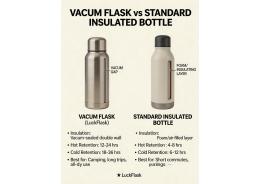
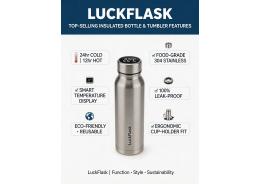
Food - grade stainless steel (304/316) has long been a staple in sustainable drinkware, but innovation continues. Modern stainless steel flasks (like those from LuckFlask) feature:
- Vacuum insulation to reduce the need for single - use insulated cups.
- Lightweight engineering for portability without sacrificing durability.
- High recyclability—stainless steel retains its value in recycling streams, unlike many plastics.
5. Sustainable Silicone Advancements
Food - grade silicone, already a reusable alternative to plastic, is getting greener. Brands are now using recycled silicone or plant - based silicone (derived from vegetable oils) for components like foldable cup sleeves, seals, or collapsible drinkware. Silicone’s heat resistance and flexibility make it ideal for on - the - go lifestyles, while its recyclability reduces waste.
Broader Trends Shaping the Industry
Design for Circularity
Drinkware is increasingly designed for circularity: modular parts (e.g., replaceable lids, detachable insulation) that are easy to repair, recycle, or compost. Brands are also offering take - back programs to ensure end - of - life recycling.
Lightweight & Portable Innovation
Consumers want eco - friendly drinkware that’s as convenient as disposable options. Materials like advanced composites and engineered stainless steel are making drinkware lighter, more durable, and easier to carry—encouraging daily use.
Smart Sustainability
Some brands are integrating smart features: app - enabled tracking of usage (to reduce waste), or materials with embedded carbon - tracking technology. While still emerging, this trend bridges technology and sustainability.
Conclusion
The future of drinkware is green, with materials that prioritize planet - friendly production, use, and end - of - life cycles. From biodegradable polymers to recycled ocean plastic, brands like LuckFlask are leading the charge—proving that sustainability and functionality can coexist. As consumers, choosing these materials not only reduces our environmental footprint but also supports innovation in eco - design.

 English
 German
 French
 Russian
 Spanish
 Japanese
 Korean
 Portuguese
 Ukrainian
 Arabic
 Italian


