

Essential Quality Control Processes for Professional Water Bottle Manufacturers
Quality control is an integral component of the manufacturing process, especially for products like water bottles that are used daily and require durability, functionality, and safety. At Luck Flask, we adhere to stringent quality benchmarks at every stage of our production to ensure we deliver superior products to our customers. Here are the essential quality control processes we follow:
1. Raw Material Inspection
The foundation of a high-quality water bottle begins with the materials used. Each batch of stainless steel, plastic, and silicone is thoroughly inspected for defects, contaminants, and compliance with industry standards. We ensure all materials are environmentally sustainable and food-safe, meeting global regulatory guidelines.
2. Prototype Testing
Before mass production, prototypes undergo rigorous testing to evaluate their design, functionality, and durability. This step is crucial to identify and resolve issues in the early stages of development, ensuring the final product is flawless.
3. Production Line Monitoring
During manufacturing, continuous monitoring of the production line helps ensure consistency and adherence to specifications. Automated machines with real-time data collection systems enhance precision and reduce the risk of human error.
4. Leak Proof and Weak Point Testing
Water bottles undergo thorough testing for leak-proof seals and durability. Specialized equipment applies pressure to the bottles to simulate real-world use, ensuring they can withstand regular handling without failure.
5. BPA-Free and Safety Certifications
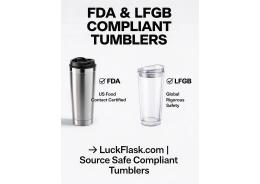
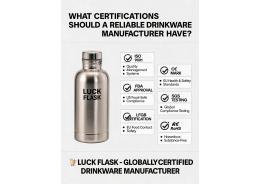
One of the most critical aspects of quality control is ensuring the bottles are BPA-free and meet safety certifications. Each product is tested for compliance with FDA, LFGB, and other health standards, guaranteeing safe use for customers.
6. Aesthetic Consistency
The visual appeal of a water bottle is just as important as its functionality. Each product is inspected for smooth finishes, vibrant color applications, and brand consistency to reflect the manufacturer's standards.
7. Packaging and Logistics Inspection
The final stage of quality control involves verifying the integrity of packaging and logistic processes. Proper packaging prevents damage during transportation and guarantees customers receive products in perfect condition.
8. Feedback Loop and Continuous Improvement
Quality assurance doesn’t stop with production. At Luck Flask, we actively monitor customer feedback and analyze product performance metrics to refine processes and improve product offerings.
In conclusion, quality control is the backbone of any professional water bottle manufacturing operation. By implementing robust processes, manufacturers like Luck Flask can deliver durable, safe, and aesthetically pleasing products that satisfy customer expectations.

 English
 German
 French
 Russian
 Spanish
 Japanese
 Korean
 Portuguese
 Ukrainian
 Arabic
 Italian


