

Understanding the OEM Process for Developing Eco-Friendly Water Bottles
In today's environmentally conscious world, developing a new line of eco-friendly water bottles involves several steps that ensure sustainability and market success. The OEM (Original Equipment Manufacturer) process provides a structured approach to bringing these innovative products to life. Here's a detailed look at how this process works.
1. Market Research and Concept Development
The first step in the OEM process is to conduct thorough market research. This involves understanding consumer preferences, analyzing competitors, and identifying the latest trends in eco-friendly materials. With these insights, companies can develop a concept that aligns with market demand.
2. Material Selection
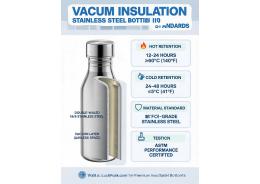
Once the concept is defined, selecting the right materials is crucial. Eco-friendly water bottles often use sustainable materials like stainless steel, bamboo, or recycled plastics. These materials should not only minimize environmental impact but also ensure durability and safety.
3. Design and Prototyping
Next, the design phase begins. OEM partners work closely with designers to create prototypes that meet aesthetic and functional requirements. Prototyping allows for testing and refining the design to ensure it is practical and appealing to consumers.
4. Testing and Certification
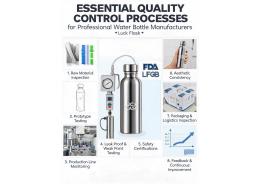
Before mass production, prototypes undergo rigorous testing to meet safety and quality standards. This phase may also involve obtaining necessary certifications, such as BPA-free or FDA approval, which bolster consumer confidence in the product.
5. Manufacturing
With tested and certified prototypes, the next step is manufacturing. OEMs leverage their expertise and facilities to produce water bottles at scale while maintaining quality and minimizing environmental footprint.
6. Branding and Packaging
Branding plays a pivotal role in the product's market success. OEMs often provide branding services to help their clients create compelling packaging that reflects the eco-friendly nature of the product, thus attracting environmentally conscious consumers.
7. Distribution and Market Launch
The final stage is distribution and launching the product in the market. This involves working with retailers and online platforms to ensure the product reaches the target audience effectively.
Overall, the OEM process for developing eco-friendly water bottles is intricate but essential for creating products that satisfy consumer needs and contribute to sustainability.


 English
 German
 French
 Russian
 Spanish
 Japanese
 Korean
 Portuguese
 Ukrainian
 Arabic
 Italian


